BSNL offering 1GB free data for non-data users to drive internet usage - Digit
BSNL's new data pack is a move to encourage data usage and push Digital India plan
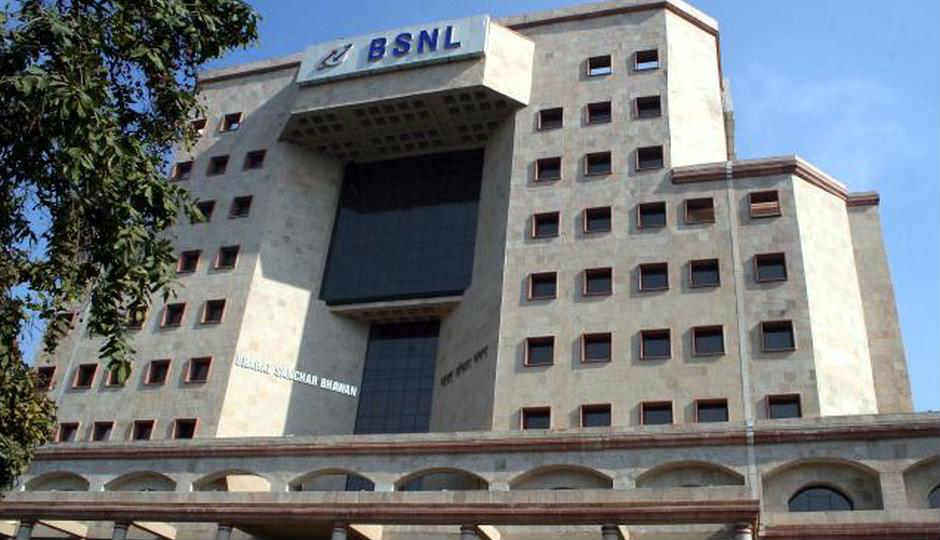
BSNL is offering 1GB free data to non-data users in an attempt to drive internet usage. The company is offering the free data to those who do not use internet services or own a BSNL GSM data pack. The new 1GB free data will be credited to non-internet users automatically on a pan-India basis and have a validity of 28 days
"On pan-India basis BSNL offers 1 GB free data for the smartphone users who are not using BSNL GSM data services. The intention of this offer is to promote number of Internet users in BSNL network," PTI report said quoting BSNL.
BSNL moves should not come as a surprise considering the recent consolidation in the Indian telecom space. With Vodafone merging its services with Idea Cellular and Reliance Communications following suit with its proposed merger with Aircel, BSNL is trying to position itself in the highly competitive space. BSNL had earlier announced a Rs 339 pack which offered 2GB data per day and unlimited calls within its own network. The plan counters similar offers from Reliance Jio, Airtel, Vodafone and others - which offer 1GB data per day.
').insertAfter('.inside-container p:eq(1)'); */ // $( '' ).insertAfter('.inside-container p:eq(0)'); //});#} $(function(){ $('.inside-container > blockquote').addClass('twitter-tweet'); var elig_P_Index = []; var pLength = $('.inside-container p').length; var count = 0; // for(var i=0; i 150){ var textVal = $(this).text(); var indexVal = $(this).index(); elig_P_Index.push({textVal:textVal, indexVal:indexVal}); } }); if(elig_P_Index.length > 0 && elig_P_Index.length
').insertAfter(".inside-container p:eq(" + firstAdd + ")"); console.log('//If article have 3 Paragraph : Square (300x250) Sized banner will come after 1st paragraph:') } //If article have 5 Paragraph : Square (300x250) Sized banner will come after 1st and 4th paragraph if(elig_P_Index.length >= 4 && elig_P_Index.length
').insertAfter(".inside-container p:eq(" + firstAdd + ")"); $('').insertAfter(".inside-container p:eq(" + fourthAdd + ")"); console.log('//If article have 5 Paragraph : Square (300x250) Sized banner will come after 1st and 4th paragraph') } //If article have 7 Paragraph : Square (300x250) Sized banner will come after 1st, 4th and 6th paragraph if(elig_P_Index.length > 5 && elig_P_Index.length
').insertAfter(".inside-container p:eq(" + firstAdd + ")"); $('').insertAfter(".inside-container p:eq(" + fourthAdd + ")"); $('').insertAfter(".inside-container p:eq(" + sixthAdd + ")"); console.log('If article have 7 Paragraph : Square (300x250) Sized banner will come after 1st, 4th and 6th paragraph') } //If article have 9 or more Paragraph : Square (300x250) Sized banner will come after 1st, 3rd, 5th and 7th paragraph if(elig_P_Index.length > 7 ){ var firstAdd = parseInt( [elig_P_Index[0].indexVal]); var thirdAdd = parseInt( [elig_P_Index[2].indexVal]); var fifthAdd = parseInt( [elig_P_Index[4].indexVal]); var seventAdd = parseInt( [elig_P_Index[6].indexVal]); $('').insertAfter(".inside-container p:eq(" + firstAdd + ")"); $('').insertAfter(".inside-container p:eq(" + thirdAdd + ")"); $('').insertAfter(".inside-container p:eq(" + fifthAdd + ")"); $('').insertAfter(".inside-container p:eq(" + seventAdd + ")"); console.log('If article have 9 or more Paragraph : Square (300x250) Sized banner will come after 1st, 3rd, 5th and 7th paragraph') } // var pLength = $('.inside-container p').length; // var count = 0; // for(var i=0; i = 150){ // totalCount =count; // count++; // } // } // if(totalCount=== 3) // { // $('').insertAfter('.inside-container p:eq(0)'); // } // if(totalCount=== 5) // { // $('').insertAfter('.inside-container p:eq(0)'); // $('').insertAfter('.inside-container p:eq(3)'); // } // if(totalCount=== 7) // { // $('').insertAfter('.inside-container p:eq(0)'); // $('').insertAfter('.inside-container p:eq(3)'); // $('').insertAfter('.inside-container p:eq(5)'); // } // if(totalCount === 9) // { // $('').insertAfter('.inside-container p:eq(0)'); // $('').insertAfter('.inside-container p:eq(2)'); // $('').insertAfter('.inside-container p:eq(4)'); // $('').insertAfter('.inside-container p:eq(6)'); // } }); //method to trunkate the text function shorten(text, maxLength) { var ret = text; if (ret.length > maxLength) { ret = ret.substr(0,maxLength-3) + "..."; } return ret; } $(function(){ //function to put utm on DontMiss links /*if(isDesktop()){ $('div.dontMiss > a').each(function(){ $(this).prop('href', $(this).prop('href')+'?utm_source=within_article&utm_medium=desktop&utm_campaign=related'); //trunkate dont miss content var sub = shorten($(this).html(),47); $(this).html(sub); }); }else{ $('div.dontMiss > a').each(function(){ $(this).prop('href', $(this).prop('href')+'?utm_source=within_article&utm_medium=mobile&utm_campaign=related'); }); }*/ //disabled method to append dontmiss links to page content by Mayank /*$('div.dontMiss > a').each(function(index){ //loop over each list item // if(index%2 > 0){ // index = index - 1; // } if($('.inside-container > p:eq('+index+')').length){ if(isDesktop()){ $('.inside-container > p:eq('+((index * 2) + 1)+')').append('
Related: ' + $(this).html() + '' ); } } });*/ $('div.dontMissArea').hide(); /* if(isDesktop()) { $('div.dontMissArea').hide(); }else{ $('div.dontMissArea').show(); } */ /* * ga event tracking on page scroll start and end by Mayank */ // Debug flag var debugMode = false; // Default time delay before checking location var callBackTime = 100; // # px before tracking a reader var readerLocation = 150; // Set some flags for tracking & execution var timer = 0; var scroller = false; var endContent = false; var didComplete = false; // Set some time variables to calculate reading time var startTime = new Date(); var beginning = startTime.getTime(); var totalTime = 0; // Get some information about the current page var pageTitle = document.title; // Track the aticle load -- disabled if (!debugMode) { // ga('send', 'event', 'Reading', 'ArticleLoaded', pageTitle, {'nonInteraction': 1}); // console.log("ga('send', 'event', 'Reading', 'ArticleLoaded', pageTitle, {'nonInteraction': 1}"); } else { alert('The page has loaded. Woohoo.'); } // Check the location and track user function trackLocation() { bottom = $(window).height() + $(window).scrollTop(); height = $(document).height(); // If user starts to scroll send an event if (bottom > readerLocation && !scroller) { currentTime = new Date(); scrollStart = currentTime.getTime(); timeToScroll = Math.round((scrollStart - beginning) / 1000); if (!debugMode) { ga('send', 'event', 'Reading', 'StartReading', pageTitle, timeToScroll, {'metric1' : timeToScroll}); } else { alert('started reading ' + timeToScroll); } scroller = true; } // If user has hit the bottom of the content send an event if (bottom >= $('.inside-container').scrollTop() + $('.inside-container').innerHeight() && !endContent) { currentTime = new Date(); contentScrollEnd = currentTime.getTime(); timeToContentEnd = Math.round((contentScrollEnd - scrollStart) / 1000); if (!debugMode) { if (timeToContentEnd = height && !didComplete) { currentTime = new Date(); end = currentTime.getTime(); totalTime = Math.round((end - scrollStart) / 1000); if (!debugMode) { ga('send', 'event', 'Reading', 'PageBottom', pageTitle, totalTime, {'metric3' : totalTime}); } else { alert('bottom of page '+totalTime); } didComplete = true; } } // Track the scrolling and track location $(window).scroll(function() { if (timer) { clearTimeout(timer); } // Use a buffer so we don't call trackLocation too often. timer = setTimeout(trackLocation, callBackTime); }); });



No comments:
Post a Comment